Programmable Controller-SSR applications|HUIMULTD

Programmable Controller
Programmable Controller banner


The programmable controller has a programmable digital arithmetic logic circuit and can communicate with external devices through the I/O interface. Programmable controllers can be customized according to professional needs to meet the needs of various industrial environments and control various types of mechanical equipment.

FPGA

FPGA imageIntroduction:
The FPGA (Field Programmable Gate Array) is a collection of several digital circuits, with a large number of digital I/O pins, which can realize complex logic operations. FPGA has the characteristics of fast processing speed, parallel processing, and not easy to collapse, but its I/O interface can only accept digital logic signals, and its driving ability is poor. FPGA has strong customization and versatility, but it is hard to design its executive program.

Working principle:
1. Design the executable program according to the needs.
2. The executable file is generated by the development tool and downloaded to the FPGA through the simulator.
3. After power on, FPGA will automatically load the executable program.

The role of solid state relays:
1. Control the working status of actuators.

MCU


MCU imageIntroduction:
The MCU (Microcontroller Unit, or Single Chip Microcomputer) is a kind of integrated circuit chip, which integrates CPU, RAM, ROM, I/O interface, Timer, etc., and can be regarded as a fully functional microcomputer system. There are lots of MCU in the market, like STM32 MCU, 51 MCU, ATMEGE 328P MUC and so on. The MCU cannot be used alone, and it need peripheral circuits to execute the program.

Working principle:
1. Write the executable program directly through the computer.
2. Burn the executable file to the MCU through the burning program.
3. After power on, the MCU will automatically load the executable program.

The role of solid state relays:
1. Control the working status of actuators.

PLC


PLC imageIntroduction:
The PLC (Programmable Logic Controller) is mainly used to control various types of industrial equipment, and is composed of industrial-grade MCU and general-purpose peripheral circuits. Compared with the MCU, PLC has very strong stability and reliability: Its internal codes are strictly executed in order, and its peripheral circuits and packaging have strong anti-interference ability and high industrial protection level (IP67). The drive capability of PLC is very strong, and its I/O interface can be directly connected to industrial devices.

Working principle:
1. Write the executable program directly through the computer.
2. Load the executable file into the firmware of the PLC through the specific driver.
3. The executable file will be executed after the internal analysis of the PLC firmware.

The role of solid state relays:
1. Control the working status of actuators.

Printer-SSR applications|HUIMULTD

Printer

Printer banner


The printer can print the files processed by the computer to the material medium after a series of operations. For traditional printers, the content of the file will be printed on two-dimensional flat paper. For 3D printers, the file content will be printed on plastic materials, such liquid photosensitive resin, plastic, gypsum powder, etc.

Multifunction Printer


Multifunction Printer  imageIntroduction:
The multifunction printer integrates functions such as printer, scanner, and copier. Some multifunction printers also have fax and telephone functions.

Working principle:
1. Open the file through the computer and select the print command.
2. The printer will automatically print the content of the file onto paper.

The role of solid state relays:
1. Control the working status of the actuator.

3D Printer


3D Printer imageIntroduction:
The 3D printer (three-dimensional printer) is a device that produce a three-dimensional model through layer-by-layer stacking.

Working principle:
1. Make a 3D digital model through design software and import it to the 3D printer.
2. Inject the raw materials into the printer to print the 3D model.

The role of solid state relays:
1. Control the working status of the actuator.

Electric Control Cabinet-SSR Applications|HUIMULTD

Electric Control Cabinet

Electric Control Cabinet banner


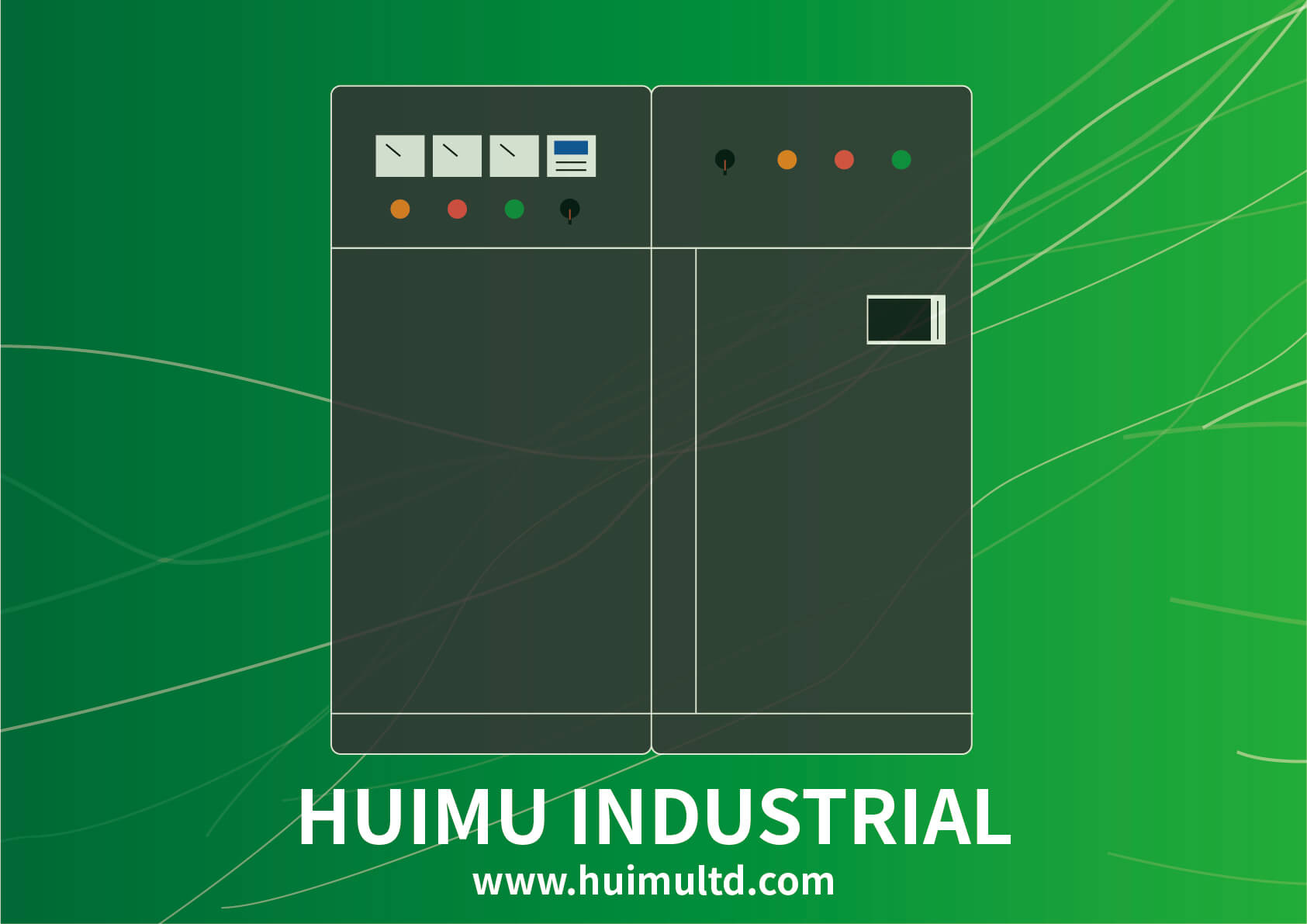
The electric control cabinet put all electric equipment into a closed or semi-closed cabinet, and then place the status display and control buttons of each equipment on the surface of the cabinet. The electric control cabinet can greatly improve the stability, safety, expansibility, and anti-interference ability of the electric equipment. The electric control cabinet can also greatly reduce the safety risks of maintenance and operating personnel, and improve the convenience of their operation and maintenance. Electrical control cabinets are often used in elevators, HVAC, rolling mills, belt conveyors, etc.

Distribution Cabinet


Distribution Cabinet  imageIntroduction:
The distribution cabinet (or power distribution cabinet) can distribute the power from the upper level in the power grid to nearby load device, and will also protect, monitor and control all the device.

Working principle:
1. Input voltage, current, power and other parameters through the panel.
2. The control circuit distributes electric energy to each load in the lower level.

The role of solid state relays:
1. Control the working status of actuators.

PLC Control Cabinet


PLC Control Cabinet  imageIntroduction:
The PLC control cabinet integrates the PLC system and the electrical system into a metal cabinet. The PLC control cabinet can control the working status of multiple motors and switches, and has protection functions such as overload, short circuit, and phase loss protection.

Working principle:
1. Input speed, time and other parameters through the panel.
2. Control the working status of multiple motors and switches.

The role of solid state relays:
1. Control the working status of actuators.

Frequency Cabinet


Frequency Cabinet  imageIntroduction:
Frequency cabinet, also known as cabinet type frequency converter, is used to control the working status of high-power motors. The frequency cabinet can supply variable frequency power to motors to achieve the purpose of energy saving and speed regulation. The frequency cabinet also has protection functions such as overload, overvoltage, and overcurrent.

Working principle:
1. Input speed, time and other parameters through the panel.
2. Control the working status of multiple motors.

The role of solid state relays:
1. Control the working status of actuators.

Reactive Power Compensation Cabinet


Reactive Power Compensation Cabinet  imageIntroduction:
The reactive power compensation cabinet, also known as cabinet type reactive power compensation controller, is used to increase the power factor of the power grid to reduce the loss of power supply transformers and transmission lines, so as to improve power supply efficiency, improve power grid quality, and improve the power supply environment.

Working principle:
1. Input parameters through the panel.
2. Adjust the power factor of the grid.

The role of solid state relays:
1. Control the working status of actuators.

Reversible Motor-SSR applications|HUIMULTD

Reversible Motor

Reversible Motor banner


The reversible motor (or reversing motor, forward and reverse motor, bi-directional motor) is a kind of motor with a special structure that it can choose the direction of rotation (clockwise/counterclockwise, or forward/reverse) according to the different control signal. According to the power supply, it can be divided into DC reversible motor and AC reversible motor. Such motors are often used in spin dryers, lathes, bench drills, etc.

Reversible Motor


Reversible Motor imageIntroduction:
Compare with single directional motor, the reversible motor has two control terminals, which can control the rotation direction of the motor.

Working principle:
1. Connect the reversible motor to the power supply.
2. After the external control device provides the working signal, the reversible motor starts to work.
3. Change the rotation direction of the motor by switching the control signal.

The role of solid state relays:
1. Control the working status and rotation direction (forward / reverse) of the motor.

7 steps to solve the failure of time control switch (Timer Switch)

7 steps to solve the failure of time control switch (Timer Switch)

Note: When the product fails, please disconnect the power first, and then check the equipment!

1 Check the week:

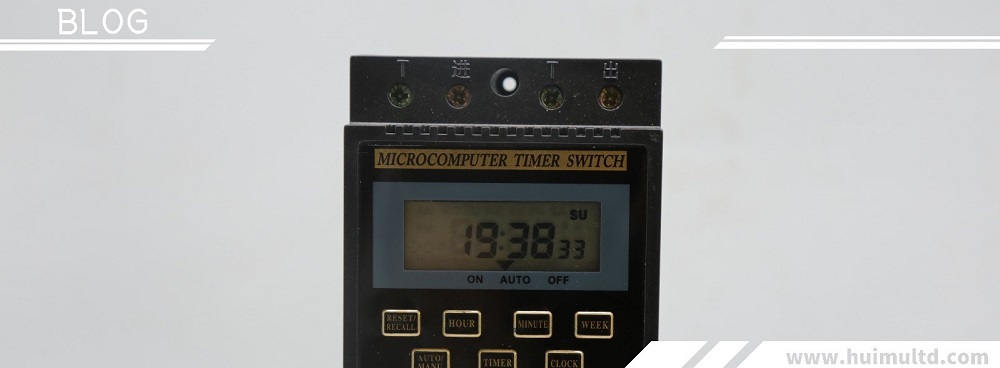
If the timer switch does not turn on or turn off the load at the set time, it may be that the "WEEK" is not adjusted correctly, please check or reset it according to the method introduced in "Timing Setting".

2 Check the time groups:

If the first point is confirmed to be correct, but the load still cannot be switched correctly on time, the reason will be that the extra time group has not been cancelled. Please refer to the method introduced in "Timing Setting" to delete it. PS: Only when the display shows "--: --", it means the time group is deleted successful; if it displays "00:00", it means 0 o'clock (24 o'clock), not the deleting success.

3 Check the switching mode:

If the above two points are confirmed to be correct, but the timer switch still does not work normally, it may be that the timer switch is working in "Manual Mode". You can first adjust the "AUTO/MANU" key to set the timer switch to the right working state of the load (ON or OFF), then switch to the "Automatic Mode".

4 Check the fuse:

If the above three points are correct and the timer switch still cannot work normally, please open the rear seat insurance cover (terminal cover) and check whether the fuse has been blown. If it is blown, please replace with a new 0.1A~0.3A fuse.

5 Check the power supply:

If the Work LED (or Output LED) is on when the timer switch is working, but the load cannot be switched normally, please check whether the voltage of the power supply is too low. If the timer switch is burned out, please check whether the power supply voltage exceeds the rated voltage of the product and whether the power cable is connected incorrectly.

6 Please replace the battery:

If the LCD screen does not display or the display is not clear, replace the battery with the same specification. (Only for timer switch with replaceable batteries)

7 Please contact us or local distributor:

If the fault cannot be eliminated by the above methods, please contact us or the distributor (dealer) in your local area.

Home Appliances-SSR Applications| HUIMU INDUSTRIAL

Home Appliances

Home Appliances banner


Home appliances (household appliances) are indispensable companions in our modern life. They provide us with a stable and comfortable living environment. There are many types of home appliances, including electric water heaters, refrigerators (or freezers), air conditioners, washing machines (such as drum washing machines, straight cylinder washing machine, fully automatic washing machine, DIY washing machines), etc.

Electric Water Heater


Electric Water Heater imageIntroduction:
The electric water heater is a device that converts electrical energy into heat energy to provide hot water. There are many types of electric water heaters, such as storage water heaters, instant water heaters, air energy water heaters and so on. Take storage water heaters as example, it is composed of water reservoirs, electric heating pipes, and control systems.

Working process:
1. Input temperature, power, time and other parameters through the panel.
2. The control system will control the electric heating pipe to heat the cold water in the water reservoir.
3. The detection system will detect in real time whether there are safety issues in the working circuit.

The role of solid state relays:
1. Control the working status of electric heating pipes and other actuators.
2. Electrically isolate the control device from the actuator.

Refrigerator


Refrigerator imageIntroduction:
The refrigerator (or fridge) are used to transfer heat energy inside the refrigerator to the outside, through controlling the physical state of the refrigerant. Usually the refrigerator is composed of storage box, refrigeration compressor, refrigerant, etc.

Working process:
1. Adjust the temperature and other parameters through the panel.
2. The refrigeration system works, and the refrigerant absorbs the heat in the refrigerator.
3. By the heat transfer system, the heat absorbed by the refrigerant is discharged to the outside of the refrigerator.

The role of solid state relays:
1. Control the working status of actuators such as electric compressors.
2. Electrically isolate the control device from the actuator.

Air Conditioner


Air Conditioner  imageIntroduction:
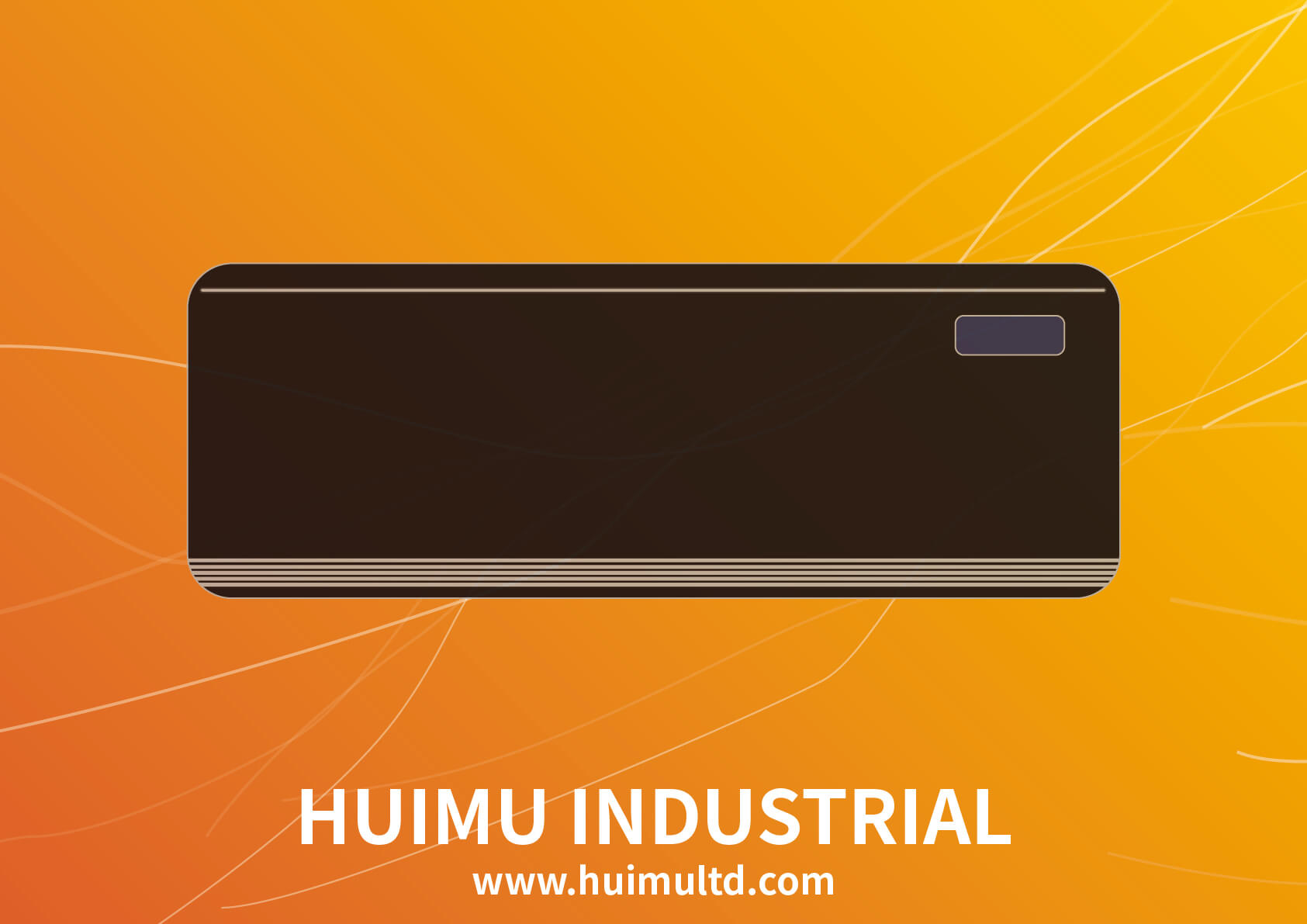
The working principle of the air conditioner is similar to that of the refrigerator, but the air conditioner is used to adjust the indoor temperature, and the cooling temperature will not be lower than 16℃. The air conditioner consists of control system, compressor, condenser, water pump, fan, etc.

Working process:
1. Adjust the temperature, wind speed and other parameters through the air conditioner remote control.
2. The refrigeration system will cool the indoor air.
3. The heat in the room will be discharged outside.

The role of solid state relays:
1. Control the working status of compressors, fans and other actuators.
2. Electrically isolate the control device from the actuator.

Washing Machine


Washing Machine imageIntroduction:
The washing machine is a device that converts electrical energy into mechanical energy to simulate manual washing and dehydration. The washing machines can be divided into two types: straight type and drum type. The washing machine consists of inner cylinder, outer cylinder, control system, motor, water pump and etc.

Working process:
1. Put the clothes and detergent (or washing powder) into the washing machine and set the corresponding parameters.
2. Under the action of the control system, the washing machine will wash and dehydrate the clothes.

The role of solid state relays:
1. Control the working status of motors, pumps and other actuators.
2. Electrically isolate the control device from the actuator.

What should be paid attention to when using the timer switch?


What should be paid attention to when using the timer switch?

If you cannot use the time-controlled switch reasonably and compliantly, it may cause you unnecessary economic losses. Before using the timer switch, you must pay attention to the following points:
1. For those equipment (such as medical equipment and large equipment, etc.) that may cause life safety accidents or cause major harm to society due to the error of the timer switch, please do not choose this timer switch.
2. For those equipment (large heaters or cold storage, etc.) that may cause major property losses due to the error of the timer switch, ensure that there is sufficient design margin when using this timer switch, and take safeguard measures such as the double protection circuit.
3. Do not repair, disassemble or modify this timer switch by yourself. If you need to repair and check it, please be sure to entrust a dealership or other authorized unit.
4. Do not touch any terminal on the timer switch after it powered on.
5. This timer switch cannot work in humid, corrosive and high metal content gas environment. And do not let the timer switch come into contact with oil or water.

What are the types of timer switches?


What are the types of timer switches?

Time-controlled switches can be divided into many types according to appearance, wiring method, function, etc. The common classification methods and our corresponding timer switch models are listed below.

1. According to the wiring method

-Upper wiring: KG316-3, KG316T, KG316T-2a, KG316T-3a
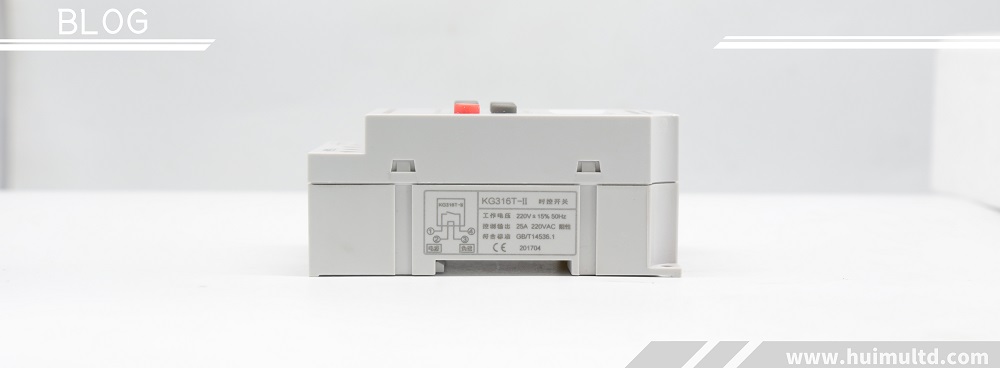
-Lower wiring: KG316Y-G, JFT series, KG316T-Ⅱ, KG316T-D, JFT02, JFT-16/17 series, CN series

2. According to the controlled load quantity

-A: KG316-3, KG316Y-G, AS series, GUK series, KGF series
-Multiple: JFT series, KG316T-2a, KG316T-3a, JFT02, JFT-16/17 series

3. According to the sensor type

-No sensor: KG316T (single loop), KG316T (multi loop)
-Light sensor: KG316-3, AS series, GUK series, KGF series
-Rain sensor: KG316Y-G

4. According to whether the latitude and longitude calculation system is built-in

-Yes: JFT-6, JFT-9

5. According to the installation method

-Panel type: JFT03, CN series
-Rail type: JFT02, JFT-15A/B series, JFT-16/17 series
-Wall-mounted type: KG316T


Kitchen Appliances-SSR Applications| HUIMU INDUSTRIAL

Kitchen Appliances

Kitchen Appliances banner


Kitchen appliances allow us to enjoy rich and delicious food and drinks with simple operations through the modern electronic technology. Kitchen appliances include coffee machines, roasters, microwave ovens, electric ovens, electric steamers, etc.

Coffee Roaster


Coffee Roaster imageIntroduction:
The coffee roaster is an automatic coffee maker, which can automatically complete operations such as grinding, pressing, filling, brewing, and removing residue, through electronic technology. Just put the coffee beans in the bean hopper, and after a while, a cup of fragrant coffee is ready.

Working process:
1. Put the coffee beans into the bean hopper and set the corresponding parameters.
2. The control device controls perform a series of automatic operations on coffee beans.
3. Temperature sensor and flow meter provide negative feedback information.

The role of solid state relays:
1. Control the working status of heating units, pumps and other actuators.
2. Electrically isolate the control device from the actuator.

Bakery Machine


Bakery Machine imageIntroduction:
The bakery machine (or bread machine) is a device that can simulate the natural fermentation process and make bread. Its structure is relatively simple, consisting of stainless steel structure, automatic control system, heating system, etc.

Working process:
1. Put the ingredients into the bakery machine and set the corresponding parameters.
2. The bakery system performs automatic dough mixing, fermentation, baking and other operations.

The role of solid state relays:
1. Control the working status of the heating unit and other execution devices.
2. Electrically isolate the control device from the actuator.

Microwave Oven


Microwave Oven imageIntroduction:
The microwave ovens can use microwaves to make polar molecules (such as water molecules) inside food move at a high speed to generate heat to achieve the purpose of heating food. The microwave oven is composed of control circuit, magnetron, cooking cavity and etc.

Working process:
1. Put the food in the microwave oven and set the corresponding parameters.
2. The magnetron generates a microwave electric field under the control of the control circuit.
3. Under the action of microwave, the water molecules inside the food heat up sharply.

The role of solid state relays:
1. Control the working status of actuators such as magnetrons.
2. Electrically isolate the control device from the actuator.

Electric Oven


Electric Oven imageIntroduction:
The electric oven is a device that simulates a traditional oven through an electronic temperature system, and is often used to process some pasta. The electric oven is composed of control system, electric heating system, temperature control system, timing system and etc.

Working process:
1. Put the processed food into the electric oven, and set the corresponding parameters.
2. Under the action of electric heating system and temperature control system, the food is heated to the set temperature.
3. When the set time is reached, the timing system will turn off the power supply of the heating system.

The role of solid state relays:
1. Control the working status of actuators such as electric heating elements.
2. Electrically isolate the control device from the actuator.

Electric Steamer


Electric Steamer imageIntroduction:
The electric steamer is a device that simulates a steamer through an electronic system, and heats food through high-temperature steam. The electric steamer is composed of water tank, water pump, control device, electric heating element, temperature control element, timing device, etc.

Working process:
1. Put the processed food into the electric oven, and set the corresponding parameters.
2. The water in the water tank will be heated to steam, and the food will be steamed slowly.
3. When the set time is reached, the timing system will turn off the power supply of the heating element.

The role of solid state relays:
1. Control the working status of actuators such as electric heating elements.
2. Electrically isolate the control device from the actuator.

Timer Switch Accessories - Product Information | HUIMU Instruments


Accessories

Related parts of timer switch and timer module

  The following on this page provides the basic information of the accessories. If you are interested in one of these products, you can click the "Product Number" or " More" to get more information.


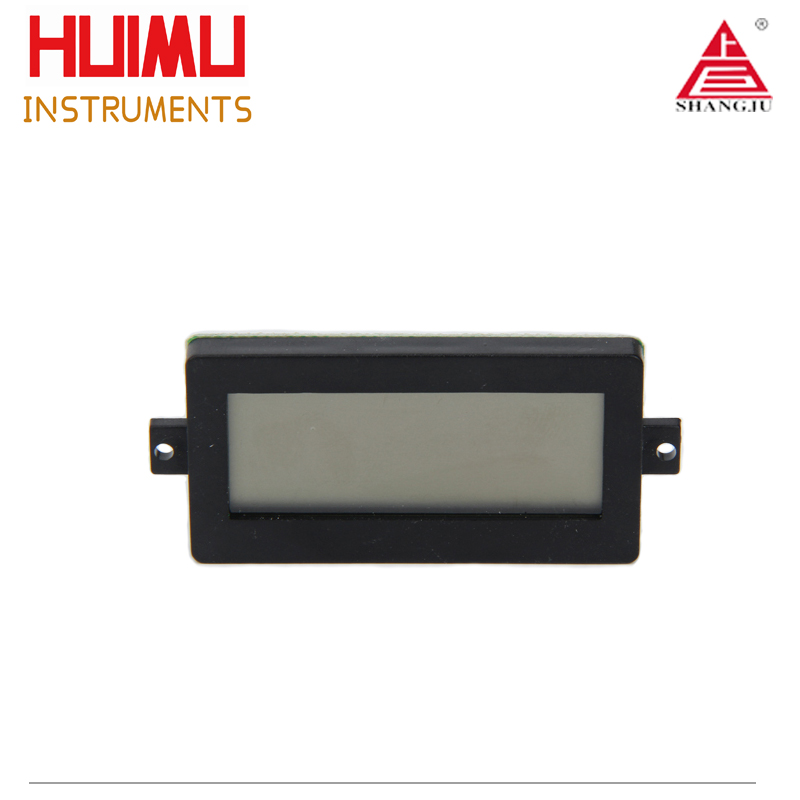
Time Control Switch Chip Module

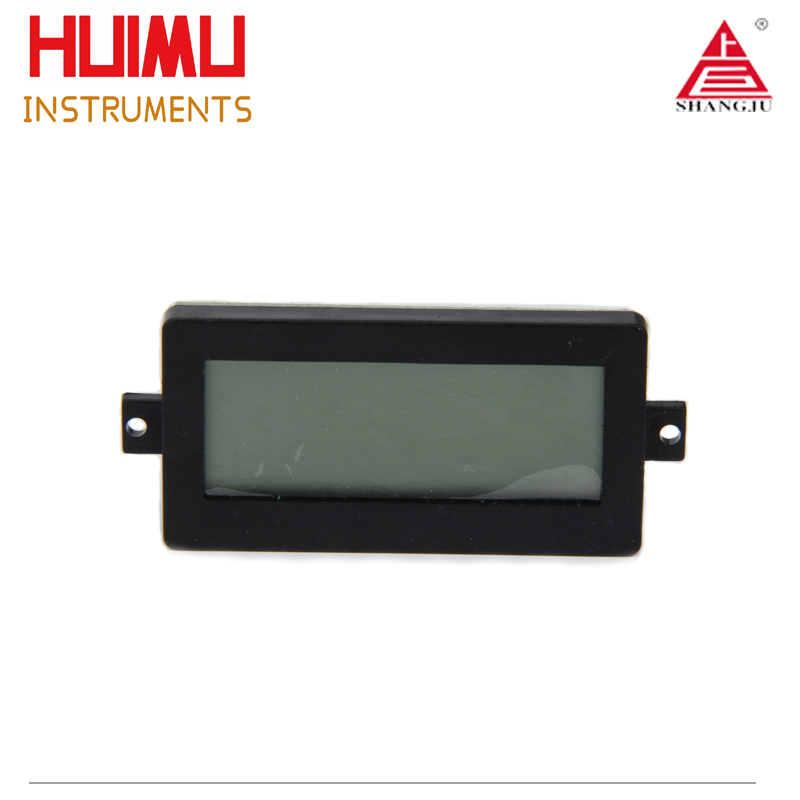
Time Control Switch Chip Module JFT-16-0.1(Black frame) image

JFT-16-0.1(Black frame)

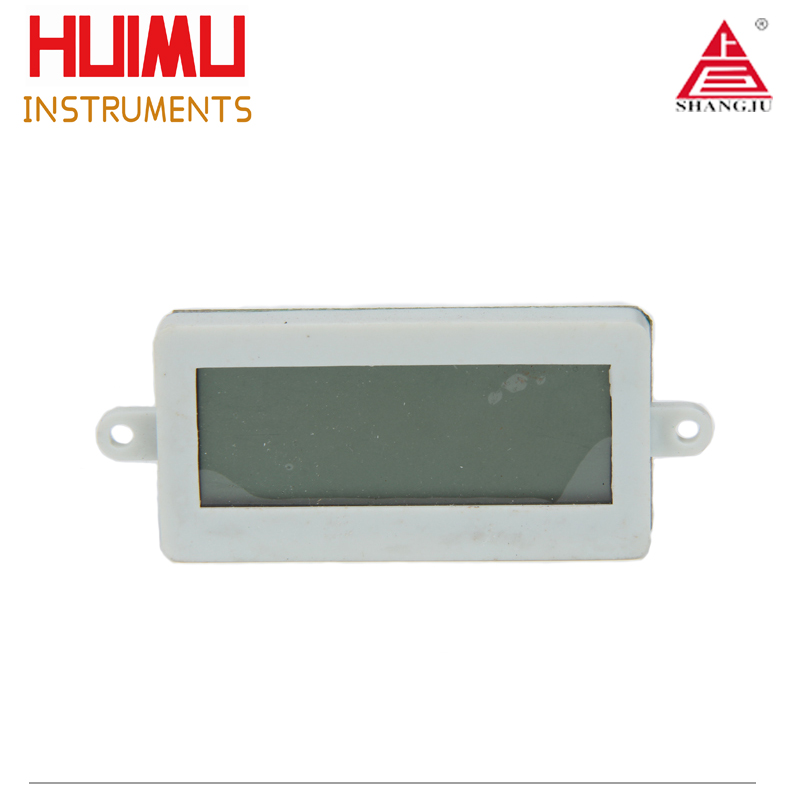
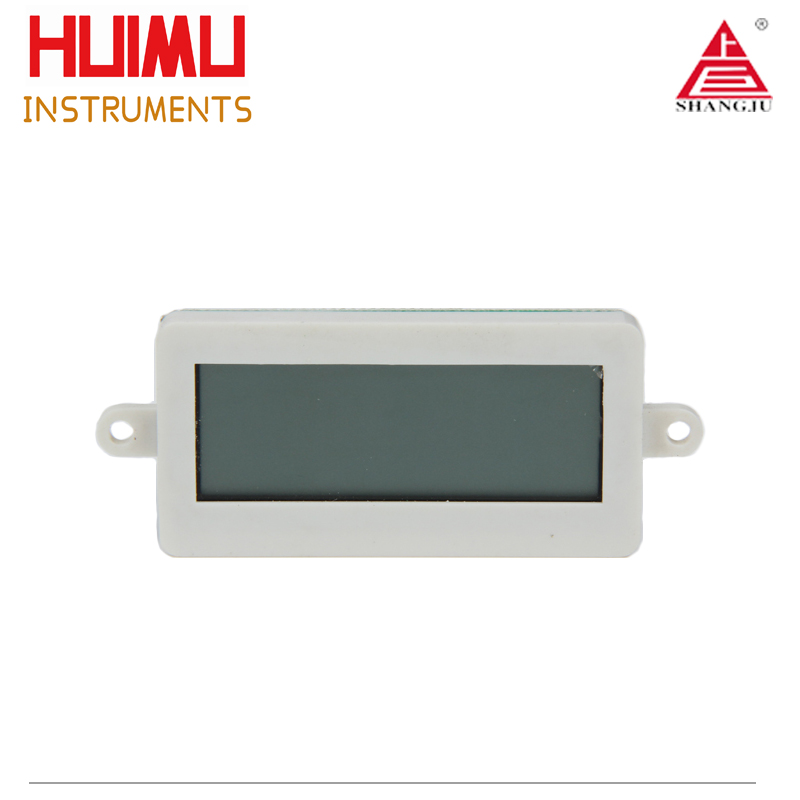
Time Control Switch Chip Module JFYB-10-7A(White frame) image

JFYB-10-7A(White frame)

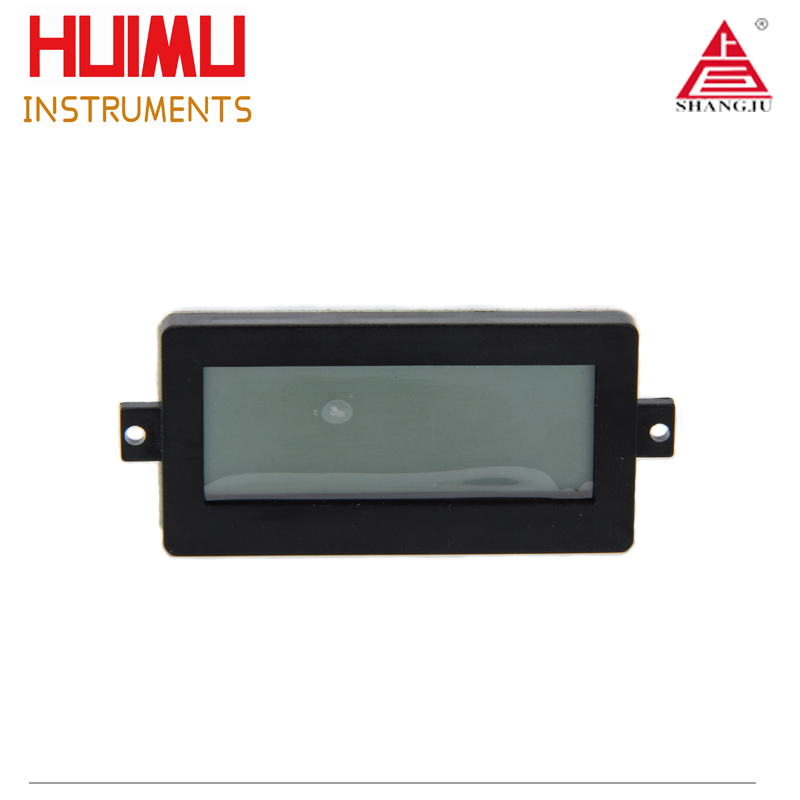
Time Control Switch Chip Module JFYB-10-7A(Black frame) image

JFYB-10-7A(Black frame)

Time Control Switch Chip Module JFYB-66-10.2(White frame) image

JFYB-66-10.2(White frame)

Time Control Switch Chip Module JFYB-66-10.2(Black frame) image

JFYB-66-10.2(Black frame)

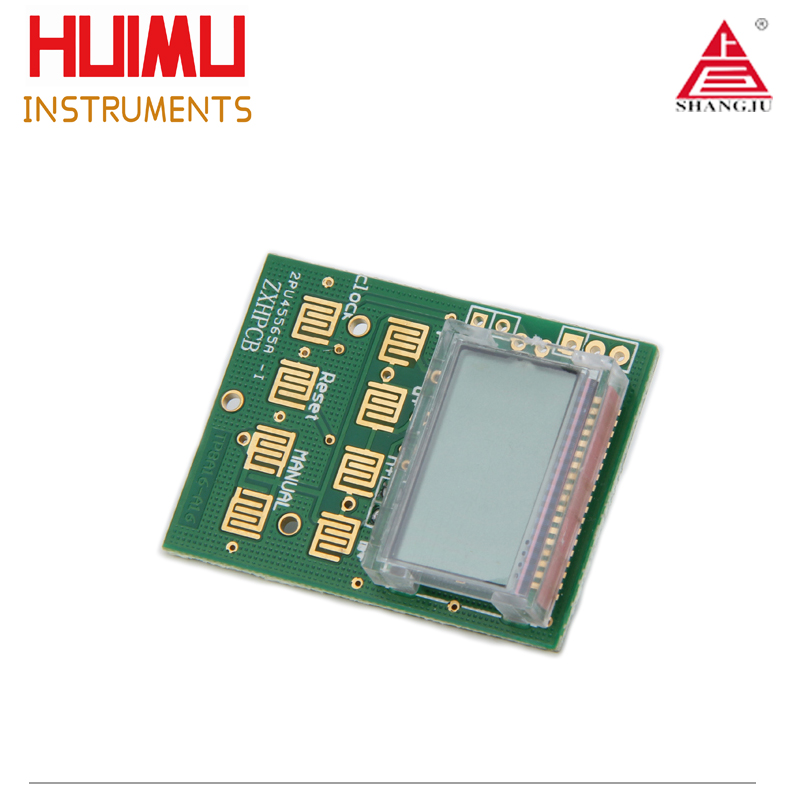
Time Control Switch Chip Module TP8A16-A16 image

TP8A16-A16


Circuit Board and Probe

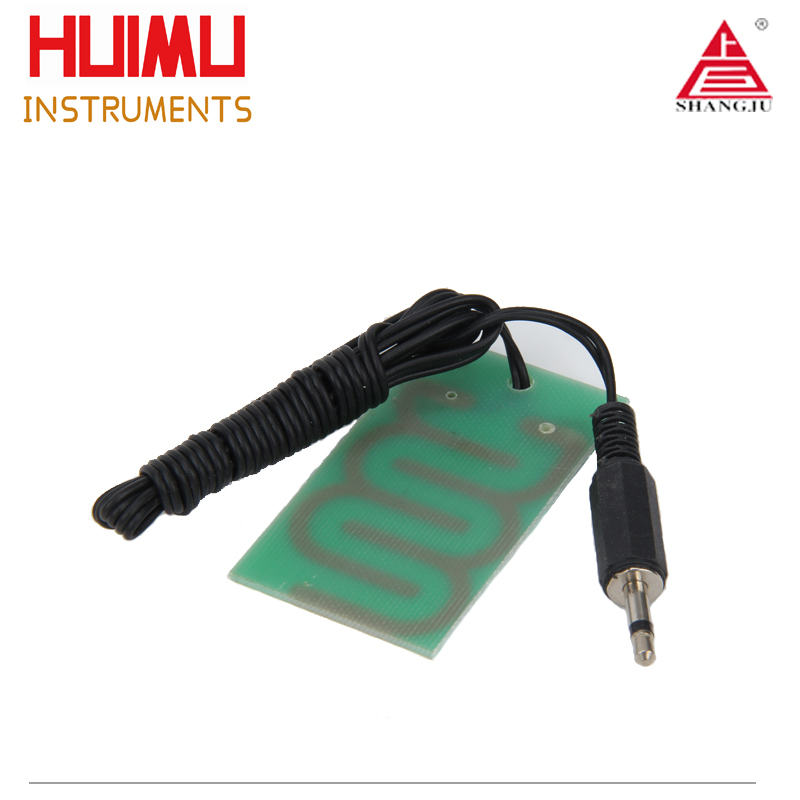
Circuit Board and Probe Rain & Optical control circuit board image

Rain & Optical control circuit board

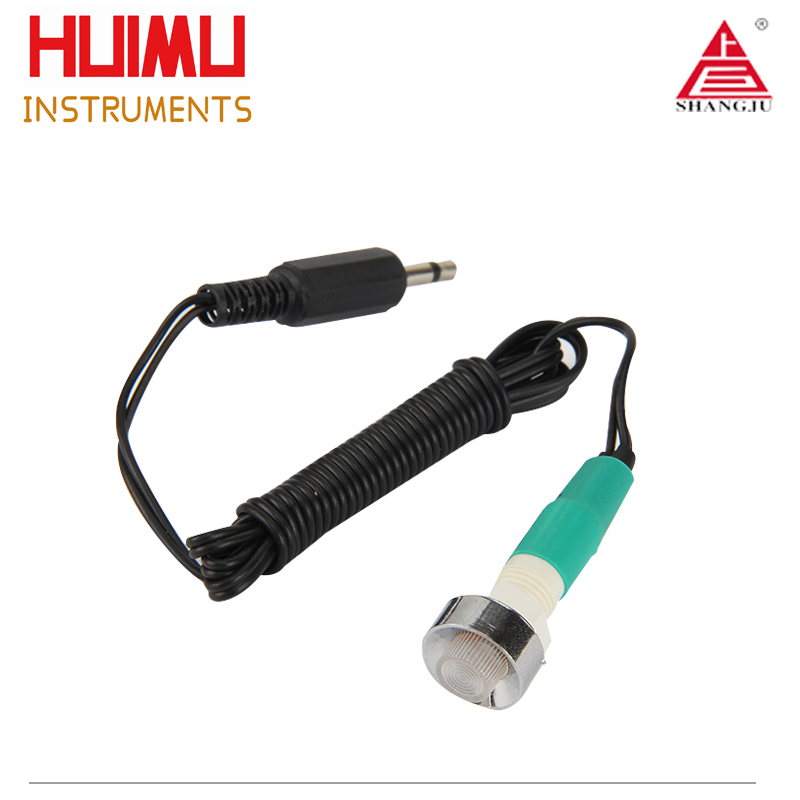
Circuit Board and Probe Rain & Optical control probe image

Rain & Optical control probe

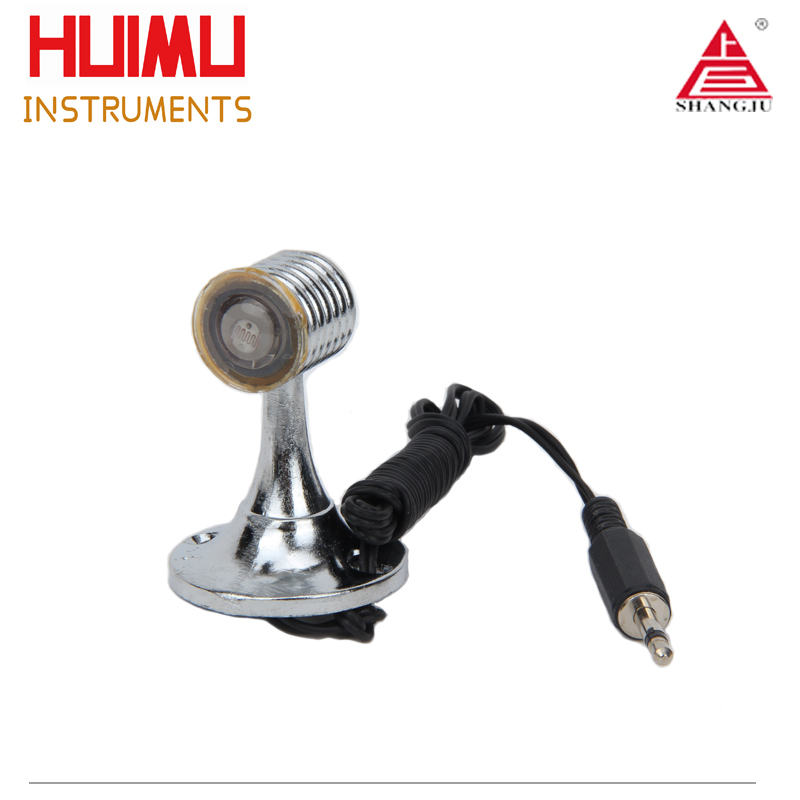
Circuit Board and Probe Light control probe image

Light control probe

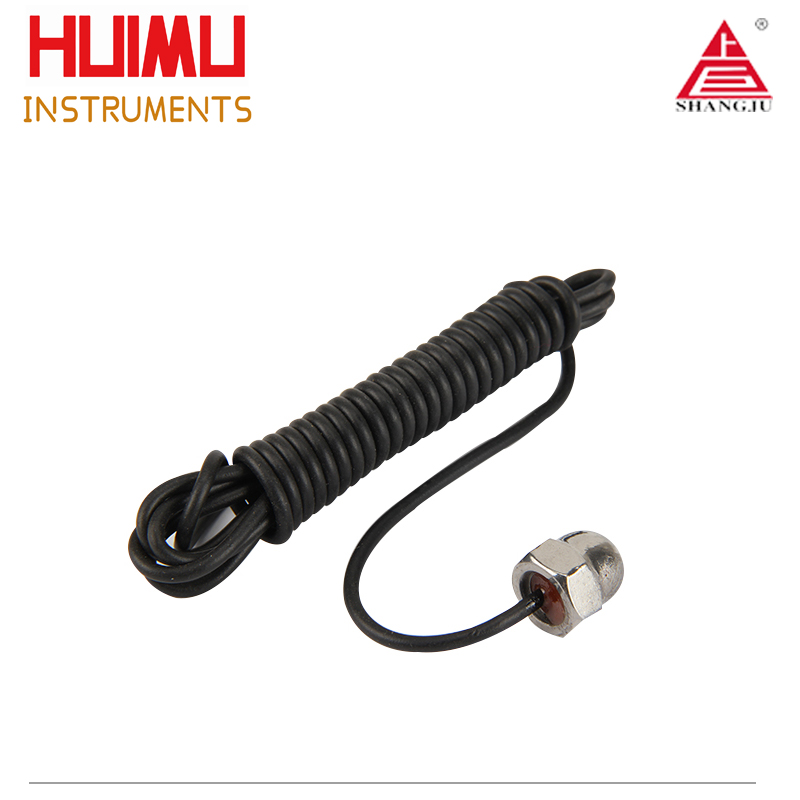
Circuit Board and Probe Liquid level probe image

Liquid level probe


JFUK Series Intelligent Liquid Level Controller (Float Control Switch) - Product Information | HUIMU Instruments


JFUK Series

Intelligent Liquid Level Controller (Float Control Switch)

Introduction


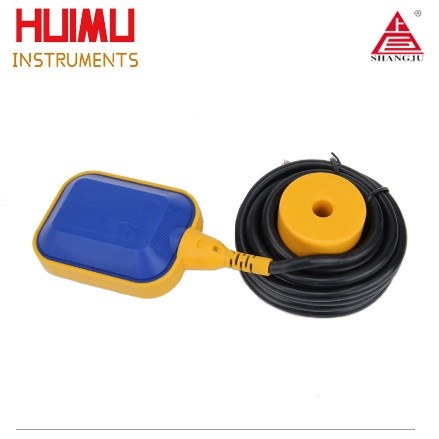
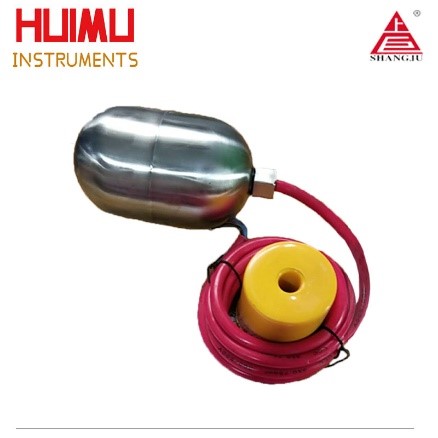
  JFUK series liquid level controller (also known as float control switch, cable float switch, or float water level controller) is a switch that can adjust the liquid level in the liquid containers (such as pools, barrels, tanks, tanks, reservoir, water tower etc.). JFUK series float controller is composed of the controller body and control signal cables. JFUK series has the advantages of easy installation, easy operation, automatic adjustment, safety and reliability, maintenance-free, non-toxic and environmental protection, and can resist the erosion of sewage. JFUK series is widely used in households, factories, mines, etc. According to the shell material of the controller body, JFUK series can be divided into plastic type float controller (JF-UK221) and 304 stainless steel type float controllers (JF-UK304). JF-UK221 can be used in oil, weak acid and weak base environments, but not in high temperature environments. JF-UK304 can be used in high temperature, strong acid, strong alkali environment.

Parameters


JF-UK221 (Plastic)

Operation Voltage: 220VAC, 380VAC/50HZ
Rated Current: 8A(220VAC); 4A(380VAC);COS=0.9
Operation Temperature: 0℃~80℃
Mechanical life: ≥5000 times
Liquid Level Control Range: ≥0.2 meter
Cable Length: 4 meters (the cable length can be customized according to specific requirement)

JFUK Series JF-UK221 (Plastic) image

JF-UK304 (Stainless Steel)

Operation Voltage: 220VAC, 380VAC/50HZ
Rated Current: 8A(220VAC); 4A(380VAC); COS=0.9
Operation Temperature: 0℃~120℃
Mechanical life: ≥5000 times
Liquid Level Control Range: ≥0.2 meter
Cable Length: 4 meters (the cable length can be customized according to specific requirement)

JFUK Series JF-UK304 (Stainless Steel) image

Dimensions & Wiring Diagram


JFT02 (DIN Rail Mount)

1. Water supply system
If JFUK series controller is used for water supply system, black and blue cables should be used. When the float is at the lower water level, it will be connected. When the float is at the upper water level, it will be disconnected.

2. Drainage system
If JFUK series controller is used for drainage system, black and brown cables should be used. When the float is at the lower water level, it will be disconnected. When the float is at the upper water level, it will be connected.

3. Use scenarios
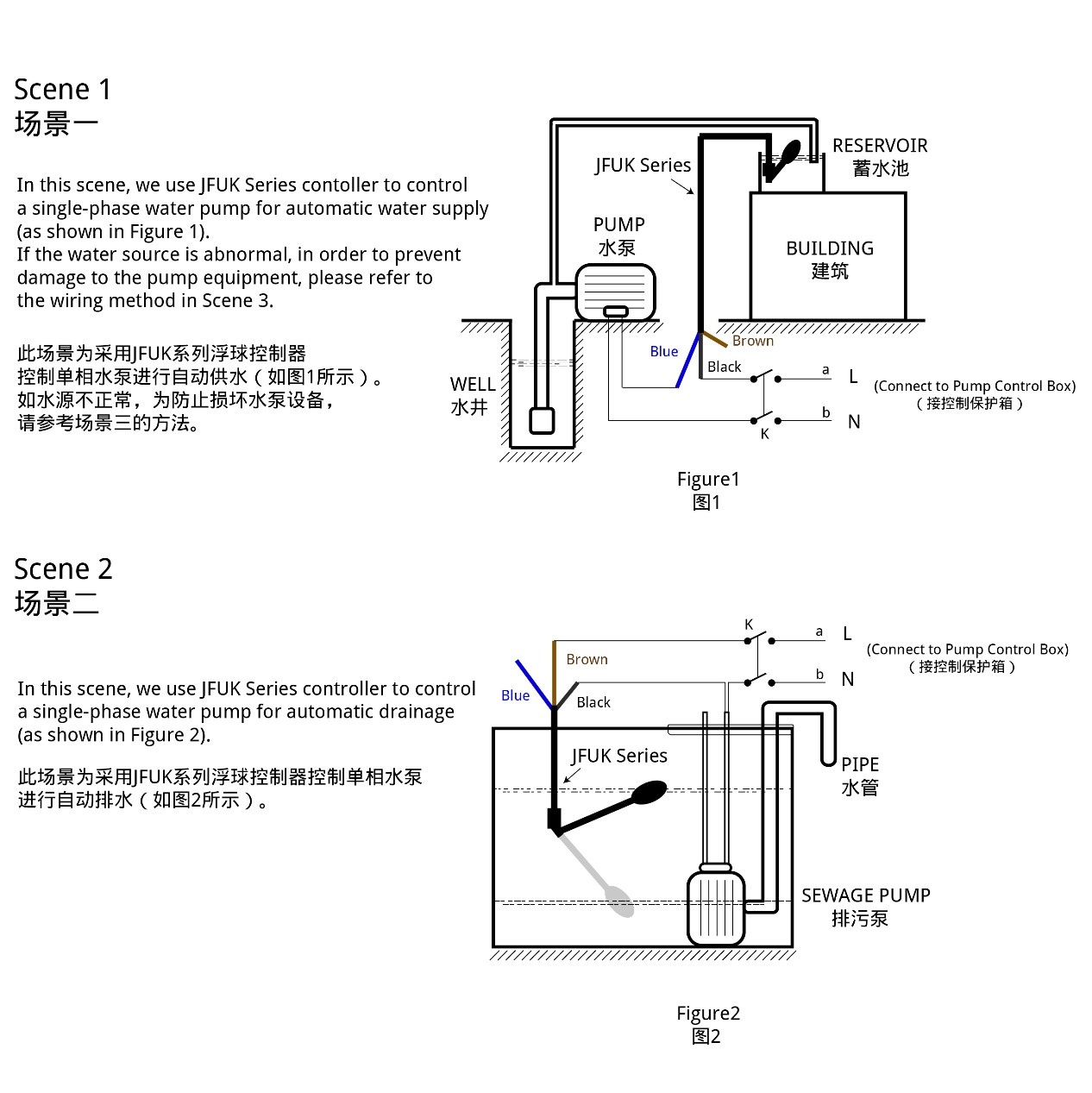
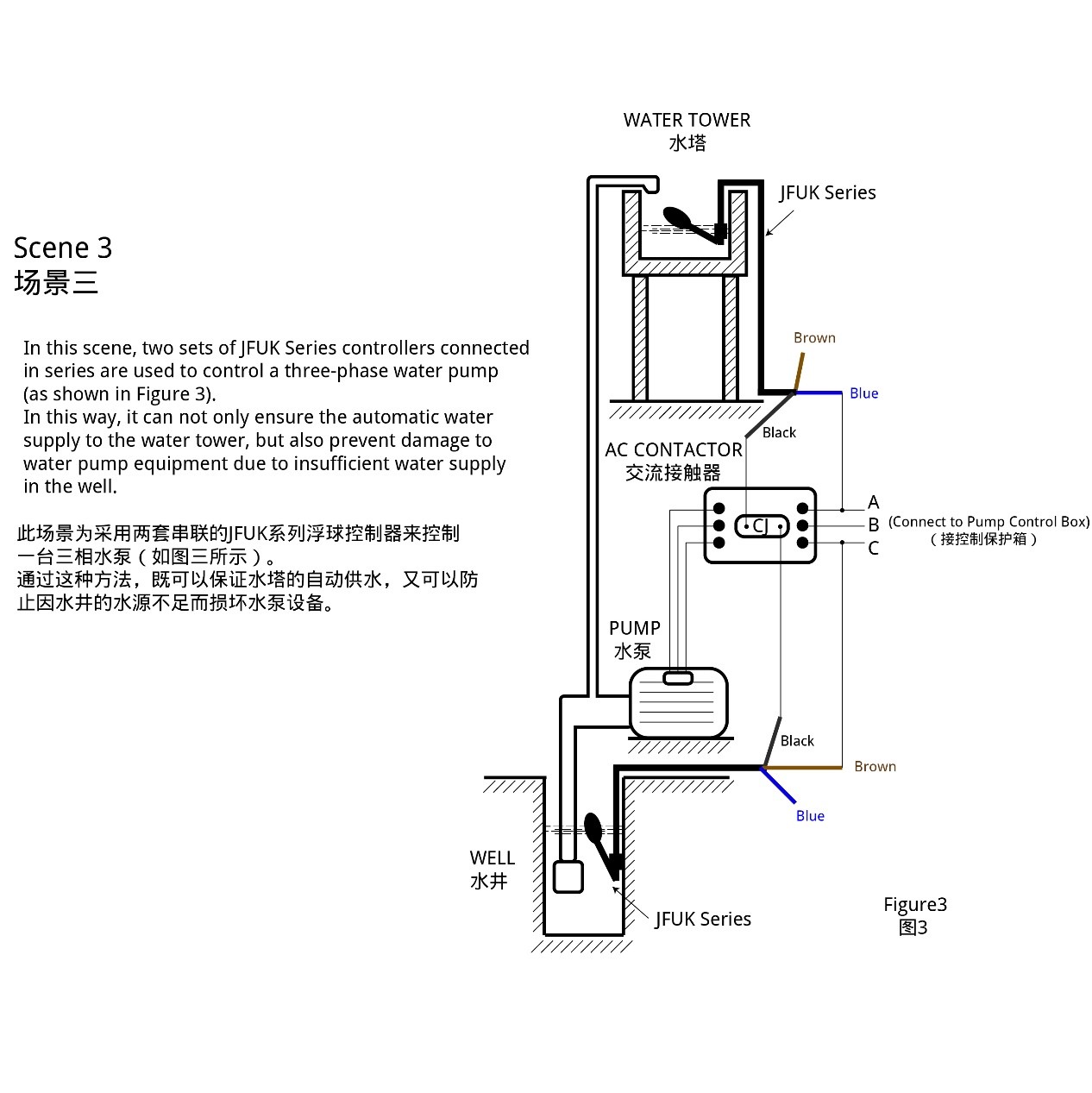
Due to the diversity of the actual application, JFUK series controller has many wiring methods, which we cannot list them all here. Therefore, in the following we will show the main three wiring methods through three scenes.
Scene 1: In this scene, we use JFUK series controller to control a single-phase water pump for automatic water supply (as shown in Figure 1). If the water source is abnormal, in order to prevent damage to the pump equipment, please refer to the wiring method in Scene 3.
Scene 2: In this scene, we use JFUK series controller to control a single-phase water pump for automatic drainage (as shown in Figure 2).
Scene 3: In this scene, two sets of JFUK series controllers connected in series are used to control a three-phase water pump (as shown in Figure 3). In this way, it can not only ensure the automatic water supply to the water tower, but also prevent damage to water pump equipment due to insufficient water supply in the well.

*Note: The above wiring method is for reference only. The unused cables of JFUK series controller must be absolutely insulated!

JFUK series wiring diagram1 stage1-stage2

JFT02 dimensions and wiring diagram 1

JFUK series wiring diagram1 stage3

JFT02 dimensions and wiring diagram 2

Instructions For Use (How to set)


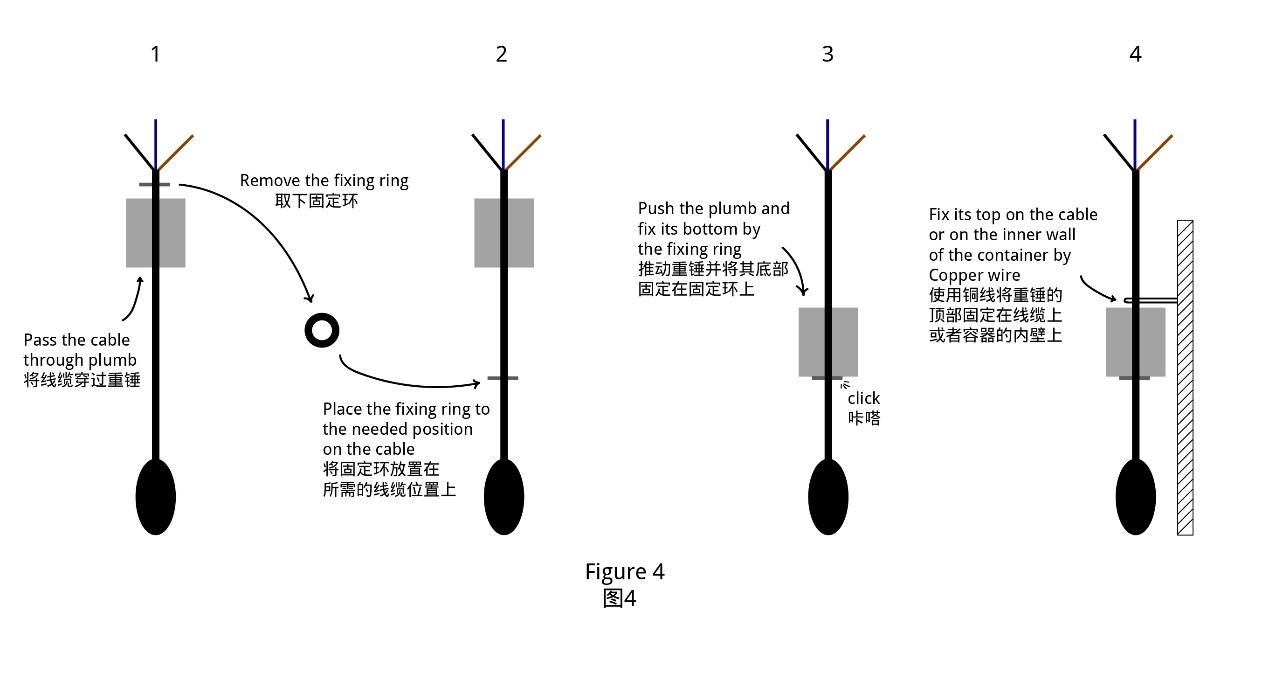
1 Pass the cable through the plastic plumb, and remove the plastic fixing ring from the top of the plumb.

2 Place the fixing ring to the needed position on the cable.

3 Push the plumb to the position of the fixed ring, and fix its bottom by the fixing ring.

4 Copper wire or other things can be used to fix the top of the plumb to firmly fix it on the cable or on the inner wall of the container to prevent the sliding of the plumb.

JFUK series instructions for use. How to use JFUK series liquid level controller

JFUK series instructions for use


DF Series Intelligent Liquid Level Controller - Product Information | HUIMU Instruments


DF Series

Intelligent Liquid Level Controller

Introduction


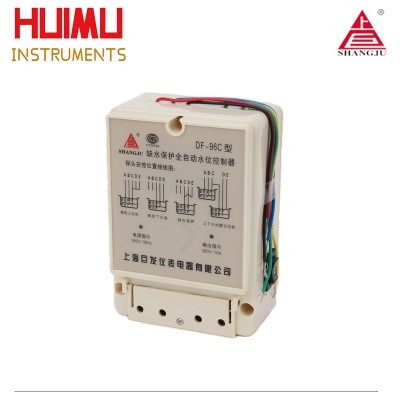
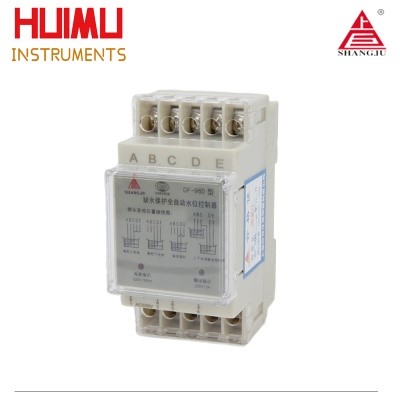
  DF series intelligent high and low liquid level controllers with built-in integrated circuits are specially designed for the water pool management of family and factories. DF series smart water level controllers are widely used in various industrial fields, such as printing, dyeing, chemical, food, feed, wine, and sugar. With high-precision water level probes, DF series intelligent water level controller can realize automatic water replenishment and drainage of the water pool, as well as combined control of upper and lower pools. DF series water level controller also has functions such as water shortage protection, which can prevent the water pool from overflowing due to high water level and damage to the pump due to idling. DF series water level controllers are suitable for "Water tower-Well" water supply systems in cities, towns, rural areas, schools, factories, and mines, as well as the water level elevation of urban high-rise buildings. According to the installation method, DF series water level controllers can be divided into wall-mounted type (DF-96A, DF-96B, DF-96C) and DIN rail mounted type (DF-96D).

Parameters


DF-96A/96B/96C (Wall Mount)

Operation Voltage: DF-96A/96B/96C: AC220V; DF-96C: AC380V;50/60Hz (or other customized voltage)
Switching Capacity: 16A (DF-96A),20A (DF-96B/C); COS=0.9
Weight: 350g
Dimensions: 126×88×51mm
Mounting: Wall
Signal distance: ≤30m(the cable length can be customized according to specific requirement)

DF Series DF-96A/96B/96C (Wall Mount) image

DF-96D (DIN Rail Mount)

Operation Voltage: AC200V±10%,50/60Hz
Switching Capacity: 5A; COS=0.9
Weight: 165g
Dimensions: 100×50×74mm
Mounting: Rail
Signal distance: ≤150m (the cable length can be customized according to specific requirement)

DF Series DF-96D (DIN Rail Mount) image

Note: The switching capacity in the above basic parameters is based on resistive load. If the load is an inductive load or a capacitive load, the corresponding switching capacity is 30-40% of the resistive load.

Dimensions & Wiring Diagram


DF-96A/96B/96C (Wall Mount)

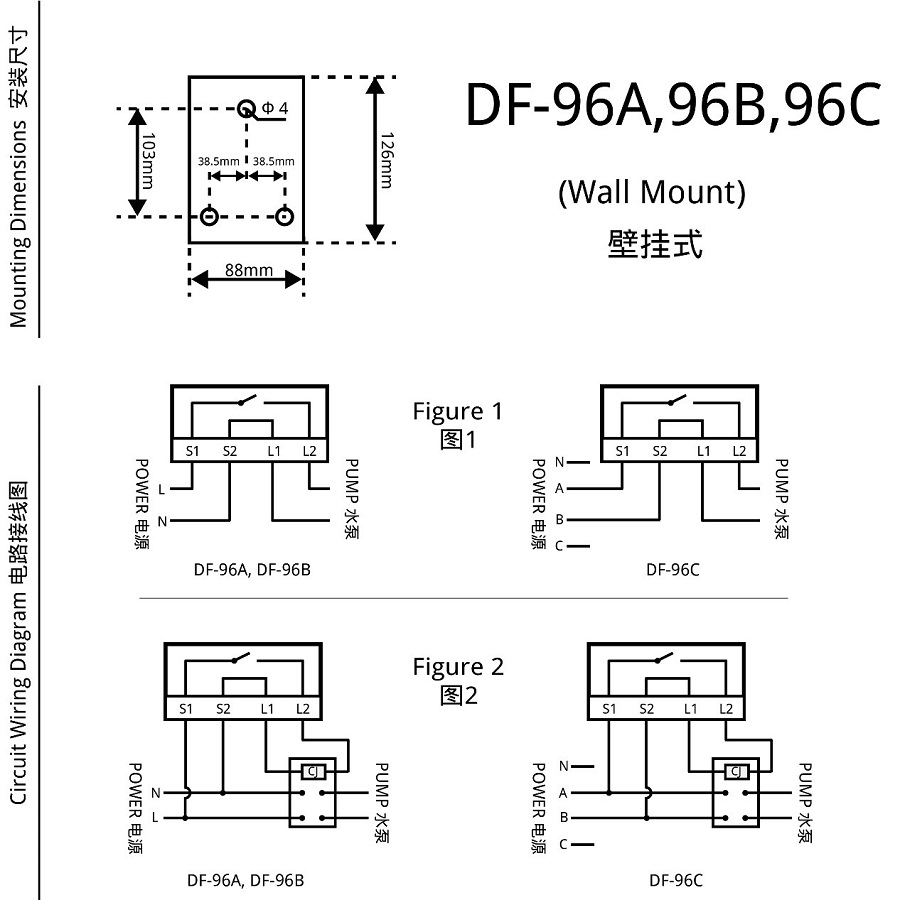
1 Single Phase Power Supply
1.1 Direct control method (as shown in Figure 1)
Applicable object: single-phase AC water pump, and the power consumption of the controlled water pump does not exceed the rated switching capacity of the water level controller.
1.2 Single-phase expansion method (as shown in Figure 2)
Applicable object: single-phase AC water pump, and the power consumption of the controlled water pump exceeds the rated switching capacity of the water level controller. If this wiring method is adopted, the output terminal of the water level controller needs to be connected to a single phase AC contactor whose switching capacity should larger than the power consumption of the load to expanse the switching capacity of the water level controller. For DF-96A and DF-96B, you should choose an AC contactor whose coil voltage is 220VAC; for DF-96C, you should choose an AC contactor whose coil voltage is 380VAC.
2 Three Phase Power Supply
Applicable object: Three-phase AC water pump. If this wiring method is adopted, the output terminal of the water level controller should be connected to a three-phase AC contactor.
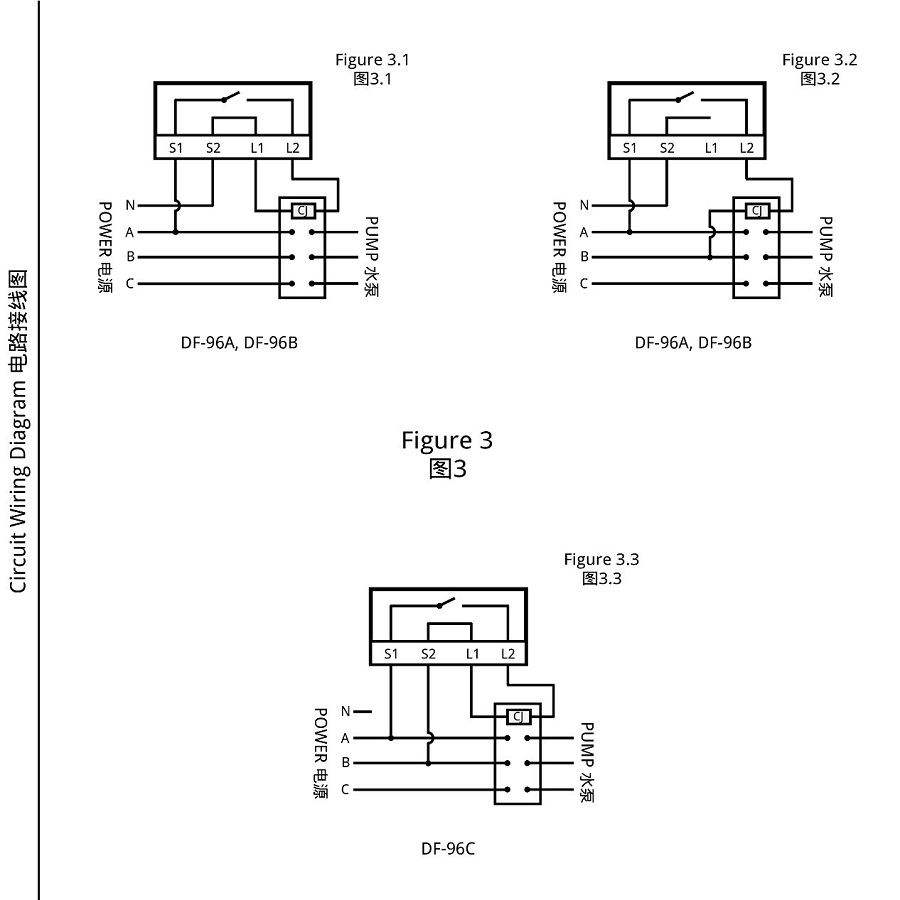
2.1 If the coil voltage of the AC contactor is 220VAC/50Hz, please wire the DF-96A or DF-96B as Figure 3.1 shows.
2.2 If the coil voltage of the AC contactor is 380VAC/50Hz, please wire the DF-96A or DF-96B as Figure 3.2 shows.
2.1 If the coil voltage of the AC contactor is 380VAC/50Hz, please wire the DF-96C as Figure 3.3 shows.

DF-96A/96B/96C wiring diagram 1 wall mount type

DF-96A/96B/96C wiring diagram 1

DF-96A/96B/96C wiring diagram 2 wall mount type

DF-96A/96B/96C wiring diagram 2

DF-96D (DIN Rail Mount)

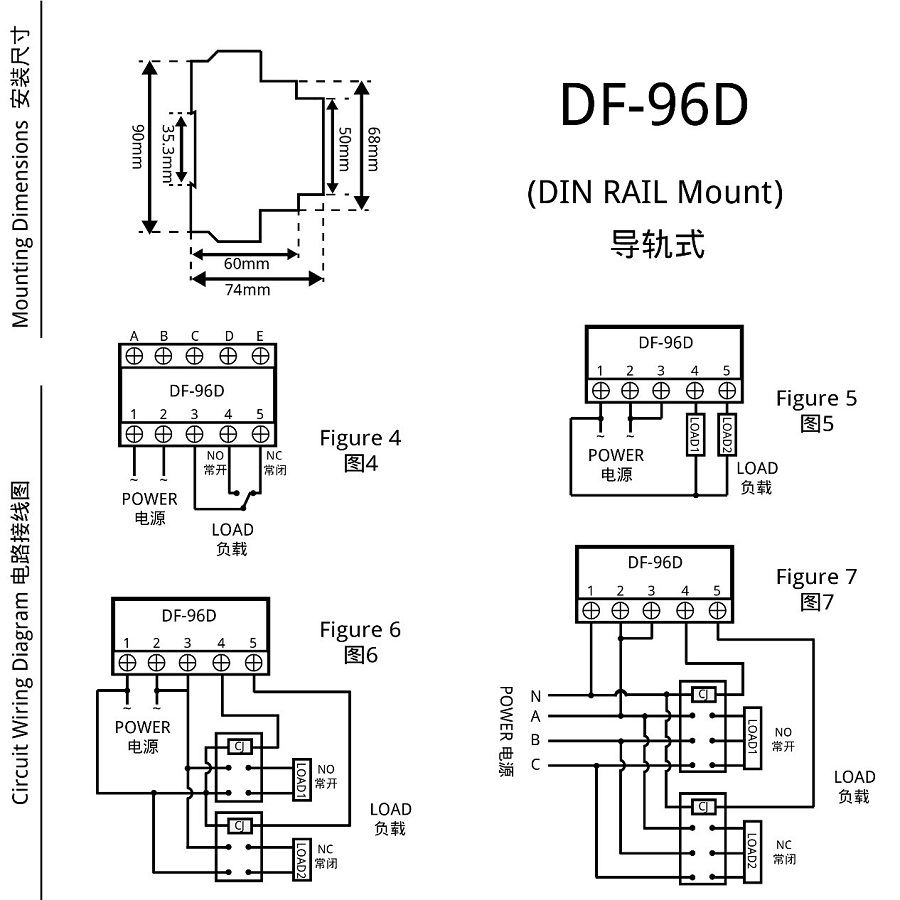
As shown in Figure 4, the output contacts of DF-96D are a normally open contact (PORT4) and a normally closed contact (PORT5). According to actual needs, you can choose different wiring method (Normally Open, Normally Close, Single Pole Double Throw).
1 Single Phase Power Supply
1.1 Direct control method (as shown in Figure 5)
Applicable object: single-phase AC water pump, and the power consumption of the controlled water pump does not exceed the rated switching capacity of the water level controller.
1.2 Single-phase expansion method (as shown in Figure 6)
Applicable object: single-phase AC water pump, and the power consumption of the controlled water pump exceeds the rated switching capacity of the water level controller (resistive load 10A, inductive load 5A). If this wiring method is adopted, the output terminal of the water level controller needs to be connected to a single phase AC contactor whose switching capacity should larger than the power consumption of the load to expanse the switching capacity of the water level controller.
2 Three Phase Power Supply
Applicable object: Three-phase AC water pump. If this wiring method is adopted, the output terminal of the water level controller should be connected to a three-phase AC contactor whose coil voltage is 220VAC/50Hz (as shown in Figure 7).

DF-96D wiring diagram DIN RAIL mount type

DF-96D wiring diagram

Instructions For Use (How to set)


1 What is the function of each probe (water level control wire)

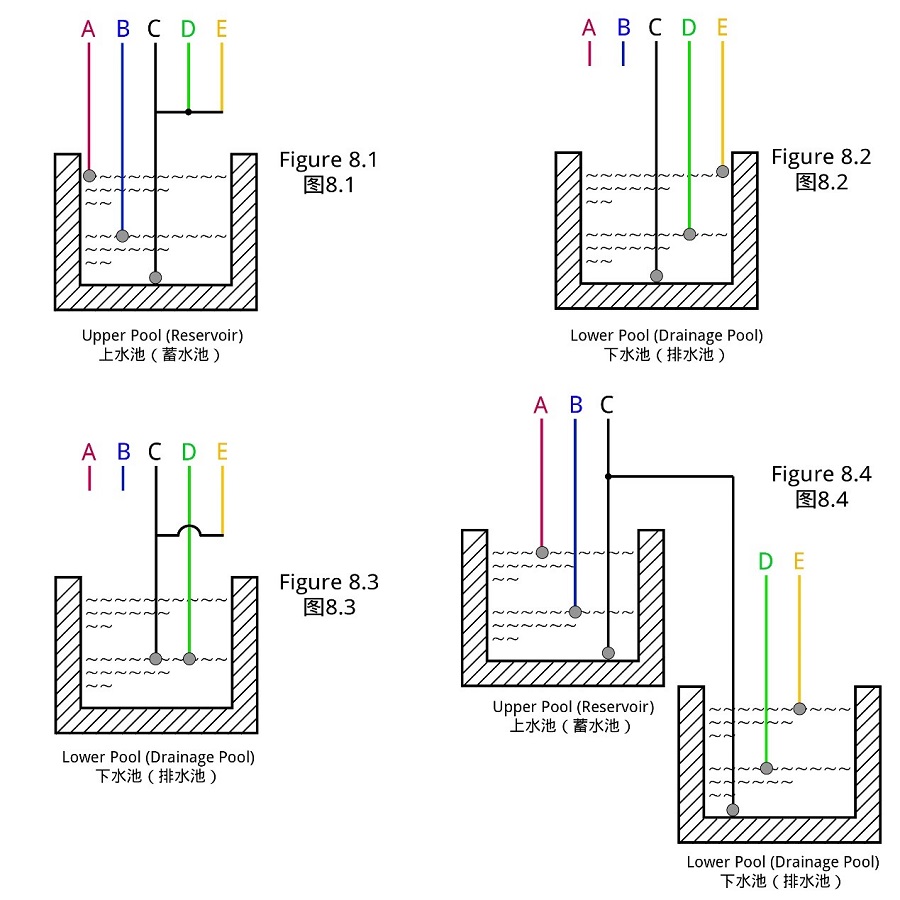
A (Red Wire): It is the upper limit water level control point of the upper pool (reservoir). When the water level rises to A point, the water surface contacts the probe A, and the water level controller automatically turns off the water pump and stops water injection.
B (Blue Wire): It is the lower limit water level control point of the upper pool (reservoir). When the water level drops below B point, the water surface is out of contact with the probe B, and the water level controller automatically turns on the water pump to start water injection.
C (Black Wire): It is the ground wire of the pool (reservoir). It needs to be placed at the lowest point of the pool in contact with the bottom of the pool.
D (Green Wire): It is the lower limit water level control point of the lower pool (drainage pool). The water level drops below D point, the water surface is out of contact with the probe D, and the water level controller automatically shuts off the water pump and stops draining.
E (Yellow Wire): It is the upper limit water level control point of the lower pool (drainage pool). The water level rises to E point, and the water surface touches the probe E, and the water level controller automatically starts the water pump and starts draining.

2 How to wire the probe

2.1 If you control the water level of the upper pool separately, you can connect as shown in Figure 8.1, that is, A is connected to the upper limit of the water level, B is connected to the lower limit of the water level, C is connected to the bottom of the pool, and D and E are connected to C.
2.2 If you control the water level of the lower pool separately, you can connect as shown in Figure 8.2, that is, A and B are not connected, C is connected to the bottom of the pool, D is connected to the lower limit of the water level, and E is connected to the upper limit of the water level.
2.3 If you control the water level of the lower pool separately and also need the water shortage protection function, it can be connected as shown in Figure 8.3, that is, A and B are not connected, C and D are connected to the lower limit of the water level, and E is connected to C.
2.4 If you need to control the upper and lower pools together, you can connect as shown in Figure 8.4, that is, A is connected to the upper limit of the water level of the upper pool, B is connected to the lower limit of the water level of the upper pool, C is connected to the bottom of the upper and lower pools, and D is connected to the lower limit of the water level of the lower pool, and E is connected to the upper limit of the water level of the lower pool (if the lower pool does not need to be drained, it is no need to connect E).

How to install the probe of DF series Intelligent Liquid Level Controller

DF series probe installation

When you think there is a fault (FAQs)


1. If it doesn't work after power on
1.1 Check if the red power indicator light is on. If it does not light up, please check whether the wiring of the input and output terminals are in good contact.
1.2 Check whether the "manual/auto" switch on the right side of the product is in the "off" position. If so, please adjust it back to the "auto" position, and the water level controller will automatically enter the working state.
2. If the water level line exceeds or falls below the water level control point, the water pump does not automatically close or open, please turn on/off the water pump manually through the "manual/auto" switch and check
2.1 Whether the position of the probe is deviated, if the installation position is too high (too low), the water surface cannot touch (detach) the probe normally.
2.2 Whether the cable of the probe is correctly connected to the corresponding terminal of the water level controller, and whether there is poor contact or short circuit.
2.3 Whether the probe is corroded or falling off.
2.4 Whether the probe C (ground) has been placed in the lowest position of the pool.

Attentions


1 In order to ensure the normal operation of the water level controller, after installing the water level controller, please check the wiring of the input end and the output end, and whether the connecting wire of the probe is in reliable contact. The actual working environment can be simulated by moving the probe up and down (to contact or leave the water surface) to detect whether the water level controller is installed correctly and functions normally.
2 It is recommended to fix each probe on the inner wall of the pool to prevent the water level controller from malfunctioning due to the shifting of the probe position. If the material of the inner wall of the pool is metal, all probes except probe C (ground) should not be connected to the inner wall to avoid short circuit and cause the water level controller to not work normally.
3 After connecting the cable according to the operating instructions, please check whether the water pump can be turned on or off manually through the "manual/auto" switch on the right side of the controller (DF-96D does not have this switch). After checking, please adjust it back to the "auto" position, and the water level controller will enter the automatic working mode.
4 If you need to turn on/off the water pump temporarily, please control it through the "manual/auto" switch on the right side of the water level controller (DF-96D does not have this switch).
5 In order to avoid malfunction, please do not install the water level controller in humid, corrosive and high metal content gas environment.
6 It is recommended to use the probe produced by our company.

MGR-AH_3 Series Panel Mount Solid State Relay

  MGR-AH_3 Series Panel Mount Solid State Relay [All the information on this website is for reference only, and the actual product and the a...